January 8, 2026
Prepare Your Garden for a Texas Freeze: A Checklist
Protect your plants before a Texas freeze. Use this checklist for watering, frost cloth, container plants, and what to do after the cold passes.
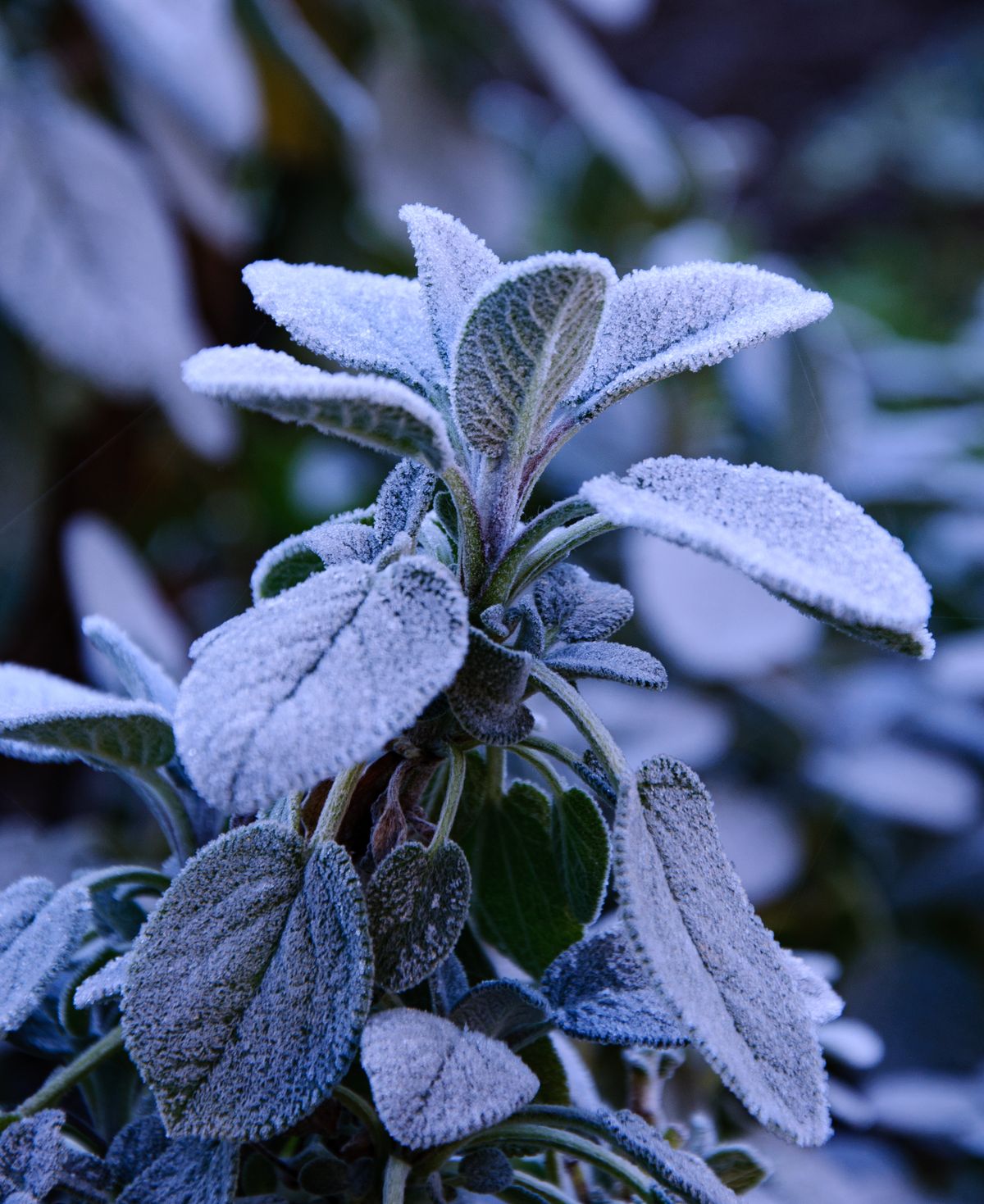
Texas freezes arrive fast and leave fast. A yard can go from 70°F to 20°F in one day. The damage happens in hours, but preparation takes only an afternoon. This checklist covers the steps in order of priority.
Start when the forecast shows temperatures below 32°F within 48 hours.
Water everything the day before
This step surprises many gardeners, and it is the most important one. Moist soil holds more heat than dry soil. It releases that heat around the plant during the night. A well-watered plant also handles cold stress better than a dry plant.
Water the root zone of every plant you want to protect. Do this 24 hours before the freeze. Do not water the leaves, and do not water during the freeze itself.
Cover plants correctly
A cover traps ground heat around the plant. It only works if it reaches the ground. Follow these rules:
- Use frost cloth, old blankets, or cardboard boxes. These materials insulate.
- Do not let plastic touch leaves. Plastic transfers cold and burns the foliage at every contact point. If plastic is all you have, put cloth under it.
- Drape the cover to the ground on all sides. A cover tied to the trunk like a lollipop traps no ground heat.
- Weigh down the edges with bricks or stones.
- Remove the cover the next day when the temperature rises above freezing.
Move containers and protect pipes
Potted plants freeze faster than plants in the ground because cold reaches the roots from all sides. Move pots into a garage, a shed, or against a south-facing wall. Group them together and cover them if they must stay outside.
Wrap outdoor faucets. Disconnect and drain garden hoses. Insulate any exposed sprinkler pipes and backflow preventers. A burst pipe costs more than every plant in the yard.
Know which plants to save first
You cannot cover everything. Spend your effort where it counts:
- First: tropical plants such as citrus, bougainvillea, hibiscus, and young palms.
- Second: winter vegetables and any new plantings under one year old.
- Third: tender perennials such as esperanza, lantana, and firebush. In most of Texas these die to the ground and return in spring, so a hard freeze is not fatal.
- Skip: established trees, shrubs, and dormant lawns. They do not need protection.
After the freeze, wait
Do not prune damaged growth right away. Dead leaves protect the living tissue below from the next freeze. Pruning also signals the plant to push new growth, which the next cold snap will kill.
Wait until the last expected frost has passed. In most of Texas that is February or March. Then scratch the bark with a fingernail. Green tissue is alive; brown tissue is dead. Cut back to the green.
If a freeze catches you without supplies, garden centers sell out of frost cloth fast. Buy one roll now and store it. It lasts for years.
Get supplies from a local expert
Your nearest garden center stocks for your exact zone, and the staff have answered this question a hundred times.
Find a garden center near you