April 22, 2026
Grow Tomatoes Through Texas Heat: Variety, Timing, Shade
Keep tomatoes producing in Texas heat. Choose heat-set varieties, plant early, mulch deep, water evenly, and use shade cloth in summer.
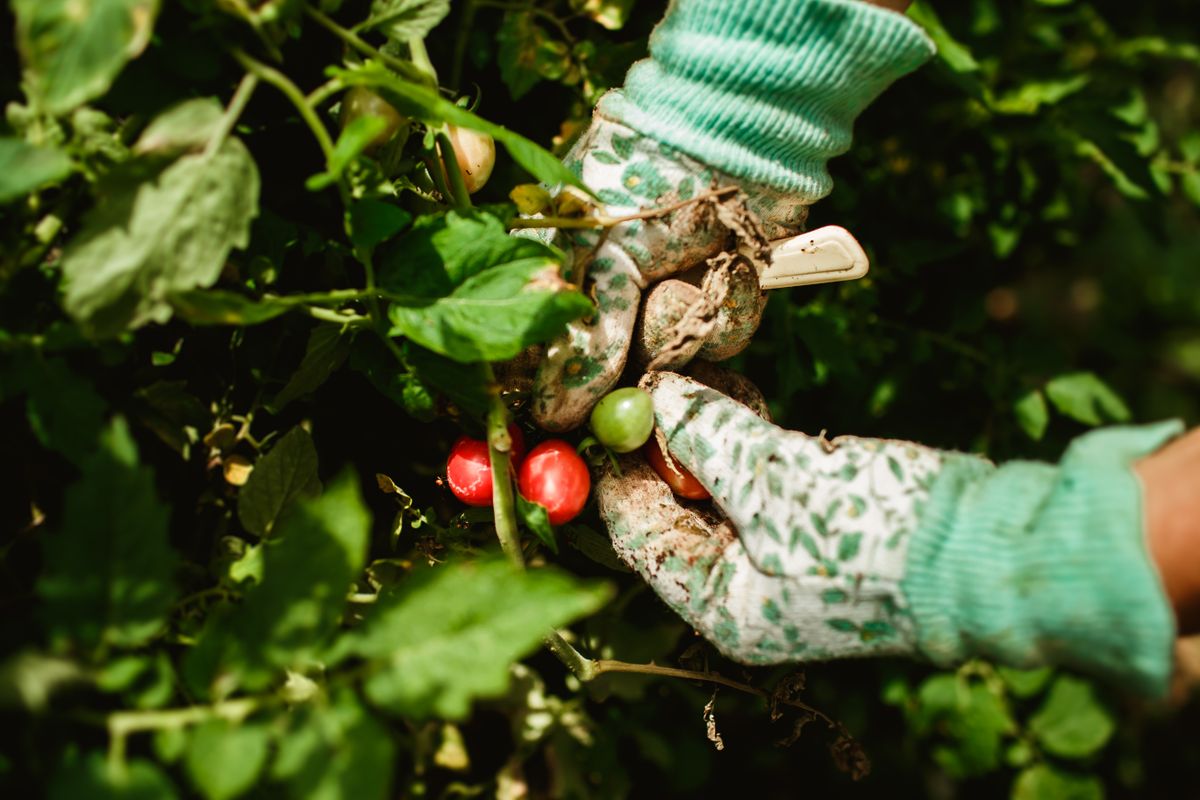
Tomatoes stop setting fruit when nights stay above 75°F and days pass 92°F. In most of Texas that happens by mid-June. You cannot change the weather. You can change the variety, the timing, and the growing conditions. This post covers all three.
The gardeners who harvest tomatoes in July did the important work in March.
Choose varieties that set fruit in heat
Variety choice matters more than any other decision. Look for these on the label:
- Heat-set hybrids: 'Heatwave II', 'Solar Fire', 'Phoenix', and 'Sunmaster' set fruit several degrees hotter than standard varieties.
- Fast producers: 'Celebrity', 'Early Girl', and 'Juliet' ripen fruit before the worst heat.
- Cherry types: 'Sun Gold', 'Sweet 100', and 'Porter' keep producing when large tomatoes quit. 'Porter' is a Texas heirloom bred for this climate.
- Skip large beefsteak heirlooms unless you garden in the Panhandle. They rarely finish before the heat in central and south Texas.
Plant early and protect from late frost
Set transplants out two weeks after your average last frost, or earlier with protection. In zone 8b that means early March. In zone 9a it means late February. Every week of delay costs you fruit in June.
Keep frost cloth ready for the first three weeks. A wall of water or a simple bucket over each plant at night also works. The goal is simple: large, flowering plants before the first 90°F day.
Mulch deep and water evenly
Spread three to four inches of mulch around each plant once the soil warms. Mulch keeps soil temperature down and moisture even. Uneven moisture causes blossom-end rot, the black patch on the bottom of the fruit.
Water deeply two to three times per week in summer heat. Water the soil, not the leaves. A soaker hose or drip line under the mulch is the best setup. Feed lightly every two to three weeks once fruit sets; too much nitrogen grows leaves instead of tomatoes.
Use shade cloth when the heat arrives
Shade cloth extends the season by several weeks. Buy 30% or 40% shade cloth from a garden center. Do not use a higher percentage; tomatoes still need strong light.
Stretch the cloth over the plants on stakes or hoops. Cover the west side, where afternoon sun does the damage. Install it when daytime highs pass 92°F. Remove it in September when temperatures drop.
Check for pests weekly
Walk the plants once a week and look closely:
- Hornworms: fat green caterpillars that strip leaves overnight. Pick them off by hand.
- Spider mites: tiny specks and fine webs under leaves during drought. Spray the undersides with a hard jet of water every few days.
- Leaf-footed bugs: gray insects on ripening fruit. Knock them into soapy water in the morning.
- Birds: they peck ripe fruit for moisture. Harvest at first blush and ripen fruit on the counter. Flavor does not suffer.
Plan a second crop for fall
Texas gives tomatoes two seasons. Set out fresh transplants in late July or early August. They establish during the heat and load with fruit when nights cool in September. Many garden centers stock fall tomato transplants in July. Fall tomatoes often taste better than the spring crop because they ripen in mild weather.
Get supplies from a local expert
Your nearest garden center stocks for your exact zone, and the staff have answered this question a hundred times.
Find a garden center near youMore posts
- How to Plant a Tree in Texas: A Step-by-Step ProcedureJuly 14, 2026
- How to Water a Texas Lawn in Summer Without Wasting ItJune 18, 2026
- Start Seeds Indoors for a Texas Spring GardenJanuary 20, 2026