July 14, 2026
How to Plant a Tree in Texas: A Step-by-Step Procedure
Plant a tree correctly in Texas soil. Follow these steps for hole size, root flare, backfill, mulch, and a first-year watering schedule.
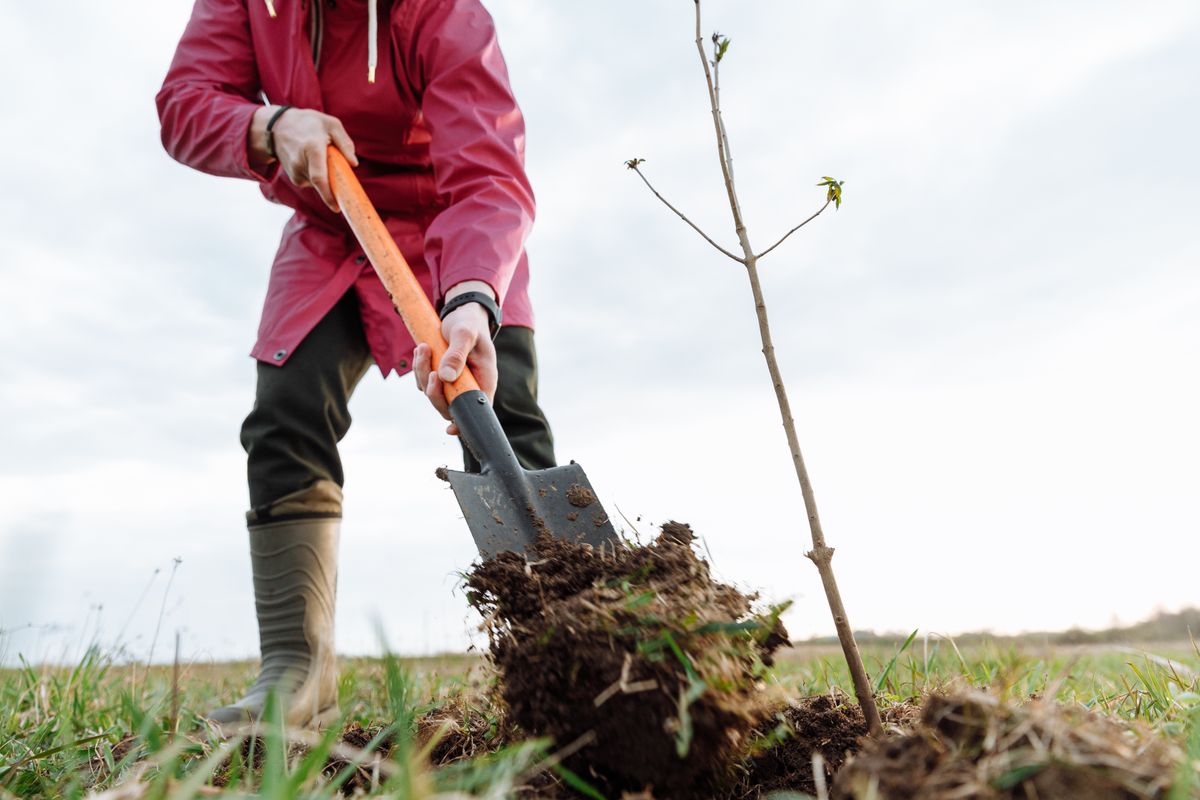
A tree is the largest purchase most people make at a garden center. It is also the easiest one to kill in the first year. Most first-year tree deaths come from three errors: a hole that is too deep, too much water, or planting at the wrong time of year.
This procedure works for shade trees and fruit trees across Texas. It applies to container-grown trees, which is what most garden centers sell.
Plant in fall, not spring
October and November are the best months to plant a tree in most of Texas. The soil is still warm, so roots grow through winter. The air is cool, so the tree loses less water. A fall-planted tree has two seasons of root growth before its first Texas summer.
Spring planting works, but the tree has only weeks before the heat arrives. If you plant in spring, plant before the end of March. Do not plant a tree in June, July, or August unless you can water it several times each week.
Dig the hole to the correct size
The correct hole is wide and shallow. Follow these steps:
- Measure the height of the root ball. Dig the hole to the same depth, not deeper.
- Make the hole two to three times as wide as the root ball.
- Score the sides of the hole with your shovel if the soil is clay. Smooth clay walls stop root growth.
- Leave the bottom of the hole undisturbed. Loose soil under the root ball makes the tree sink.
Find the root flare and set the height
The root flare is the point where the trunk widens into the roots. This point must sit at or slightly above the soil surface after planting. A buried root flare is the most common cause of slow tree death in clay soil.
Remove the tree from its container. Cut any roots that circle the root ball. Set the tree in the hole. Lay a shovel handle flat across the hole to check the height. If the flare sits below the handle, lift the tree out and add firm soil under it.
Backfill with the same soil
Fill the hole with the soil you removed. Do not fill it with bagged compost or potting soil. A pocket of rich soil in a clay hole holds water like a bucket and rots the roots. It also stops roots from growing out into the native soil.
Break up large clods as you fill. Firm the soil with your hands, not your boots. Water the hole when it is half full, then finish filling.
Mulch and water on a schedule
Apply a ring of mulch three inches deep and three feet wide. Keep the mulch six inches away from the trunk. Mulch that touches the trunk holds moisture against the bark and invites rot.
Water on this schedule for the first year:
- Weeks 1 and 2: water every 2 to 3 days. Apply about 5 gallons each time for a standard 15-gallon tree.
- Weeks 3 to 12: water once each week.
- After 12 weeks: water every 2 weeks through the first summer.
- Skip a watering after any rain of one inch or more.
Do not stake unless necessary
Stake the tree only if it cannot stand on its own or the site is very windy. A trunk that flexes in wind grows thicker and stronger. If you stake, use wide straps, allow some movement, and remove the stakes after one year.
Ask the nursery staff about the mature width of the tree before you buy. Plant at least half that distance from any wall, driveway, or power line. Your local garden center can also tell you which species handle your soil, see our guide to Texas soils for what you are working with.
Get supplies from a local expert
Your nearest garden center stocks for your exact zone, and the staff have answered this question a hundred times.
Find a garden center near youMore posts
- How to Water a Texas Lawn in Summer Without Wasting ItJune 18, 2026
- Grow Tomatoes Through Texas Heat: Variety, Timing, ShadeApril 22, 2026
- Start Seeds Indoors for a Texas Spring GardenJanuary 20, 2026